Federico Domenico Eraldo SACCHI
Biography - ENG
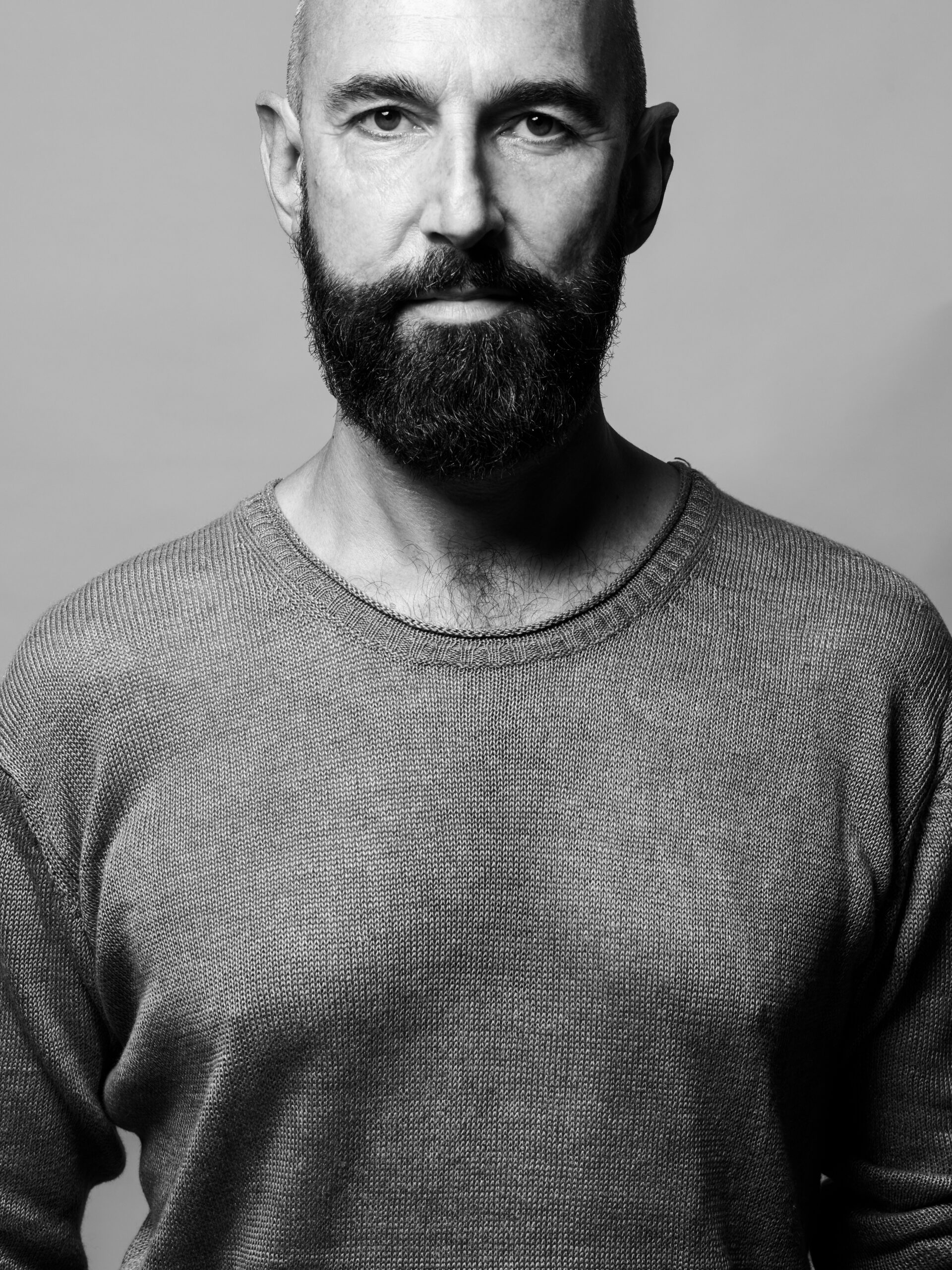
Italian bass Federico D. E. Sacchi began his operatic career at the age of only twenty-three, making his debut in the title role of Massenet’s Don Quichotte for the Italian As.Li.Co. circuit. A trained pianist, he graduated in piano before devoting himself fully to singing.
For many years his career developed primarily around the bel canto and nineteenth-century repertoire, taking him to major European opera houses and concert halls. Among his most significant engagements are Lodovico in Verdi’s Otello with the Berliner Philharmoniker under Zubin Mehta; Filippo II in Don Carlo at the National Theatre in Brno; the title role in Rossini’s Mosè at the Luzerner Theater and Teatro Verdi in Pisa; Polidoro in Zelmira at the Rossini Festival in Bad Wildbad under Gianluigi Gelmetti; Talbot in Maria Stuarda at the Opernhaus Zürich and Opéra Royal de Wallonie-Liège; Jorg in Stiffelio at the Opernhaus Zürich; Count Rodolfo in La sonnambula and Timur in Turandot at Teatro La Fenice in Venice; and Oroe in Rossini’s Semiramide at the Théâtre des Champs-Élysées in Paris and Teatro di San Carlo in Naples.
Other notable appearances include Pistola in Falstaff under Daniele Gatti, Colline in La bohème under Paolo Arrivabeni, Orbazzano in Tancredi under René Jacobs, Bertrand in Iolanta, Leporello in Don Giovanni and Abimélech in Samson et Dalila under Kazushi Ono in Brussels, and the Burgmeister in Werther with the Münchner Rundfunkorchester under Marco Armiliato.
Over the past years, his artistic path has increasingly focused on the Baroque and seventeenth-century repertoire, establishing him as an acclaimed interpreter of the Monteverdi trilogy.
Central to this journey is Seneca in L’incoronazione di Poppea, which has become one of his signature roles. Sacchi has performed Seneca in different productions with leading ensembles specialising in historically informed performance, including The English Concert under Harry Bicket, Cremona Antiqua under Antonio Greco, and Les Arts Florissants under Paul Agnew, most recently at the 2026 Monteverdi Festival at Teatro Ponchielli in Cremona. His interpretation has been particularly praised for combining vocal authority with a strong dramatic understanding of the character.
His exploration of Monteverdi extends throughout the trilogy: Caronte and Plutone in L’Orfeo, Nettuno and Antinoo in Il ritorno d’Ulisse in patria, and Seneca in L’incoronazione di Poppea. His Monteverdi repertoire also includes Plutone in Il ballo delle ingrate. His work in this repertoire has brought him into collaboration with some of the leading conductors and ensembles in historically informed performance, including Ottavio Dantone and Accademia Bizantina, with whom he has performed several Monteverdi and seventeenth-century works.
This specialization has naturally expanded to the wider Italian Baroque repertoire. Recent engagements include Nettuno and Eutiro in Cavalli’s Ercole amante at the 2025 Monteverdi Festival and Nettuno and Cecrope in Cesti’s Il pomo d’oro at the 2026 Innsbrucker Festwochen der Alten Musik, conducted by Ottavio Dantone with Accademia Bizantina and staged by Fabio Ceresa. His repertoire also includes Giampietru in Provenzale’s La Stellidaura vendicante, Achilla in Sartorio’s Giulio Cesare in Egitto, the title role in Jommelli’s Don Trastullo, and Artaxerse in Cesti’s La Dori.
Alongside his specialization in early music, Sacchi continues to perform the nineteenth-century repertoire. In November 2026 he returns to the Teatro Lirico di Cagliari as Sparafucile in Verdi’s Rigoletto.
His concert repertoire includes Verdi’s and Mozart’s Requiem, Boito’s Mefistofele and Ponchielli’s Messa op. 20. A passionate interpreter of the song repertoire, he has performed works by Tosti, Schumann, Beethoven, Ibert and Ravel.
His discography includes the world-premiere recording of Salieri’s La scuola de’ gelosi for Sony. His recordings have received international critical recognition, including a Diapason d’Or for Sartorio’s Giulio Cesare in Egitto and the German Record Critics’ Award for Cesti’s La Dori.